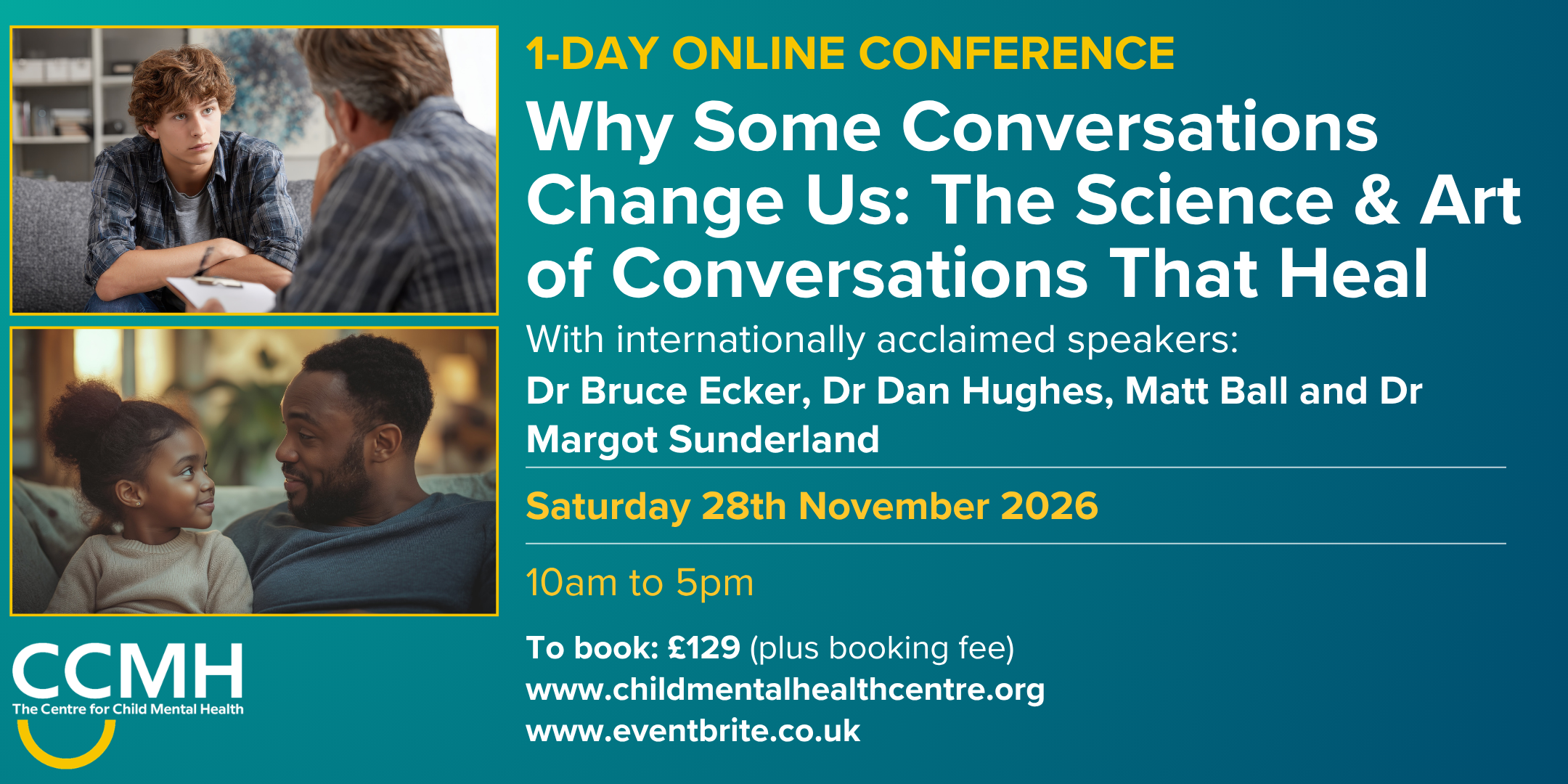
Why can one conversation leave us unchanged, while another stays with us for years – changing how we feel, how we see ourselves and what becomes possible? What is actually happening when we feel deeply heard and understood? Why do some conversations calm the nervous system, stop shame, open up new ways of thinking and help us make sense of painful experiences?
This conference brings together leading thinkers and practitioners from psychotherapy, attachment, neuroscience and relational practice to explore what makes a conversation genuinely therapeutic.
Presenters will look beyond techniques and scripted responses to the qualities that make human connection transformative. They will explore what happens in the mind, brain, body and relationship during a healing conversation – from co-regulation and psychological safety to meaning-making, emotional processing and moments of genuine relational connection.
They will also ask important practical questions. What words help – and what words shut people down? How do we respond to distress without rushing to fix it? What enables someone to speak about experiences they have never been able to put into words before? And how can a single conversation become a turning point?
The Science and Psychology of Why Some Conversations Change Us
Pioneer of memory reconsolidation, an evidence-based mechanism of therapeutic change. Bruce will explore how particular conversational experiences within therapeutic relationships can unlock and permanently update the emotional learnings that drive anxiety, depression, trauma responses and lifelong patterns of distress. He is co-founder of Coherence Therapy and author of numerous books and articles, including Unlocking the Emotional Brain.
Conversations That Heal: How Do We Get to the Place Where the Deeper Stuff Sits?
Internationally renowned clinical psychologist and founder of Dyadic Developmental Psychotherapy (DDP), an attachment focused approach to healing children and families in distress. He is the author of many influential books on attachment, trauma and therapeutic relationships. He is particularly known for PACE – Playfulness, Acceptance, Curiosity and Empathy – a way of being in therapeutic conversations that helps people reach core emotional pain, process previously unbearable experiences, so they are no longer burdened by them.
Conversations with People Experiencing Suicidal Distress (Recorded interview)
Internationally acclaimed psychotherapist, Australia’s Mental Health Nurse of the Year, and co-founder of The Humane Clinic and Suicide Narratives, initiatives that place people’s own stories and lived experience at the heart of understanding extreme distress. A former psychiatric patient himself, Matt’s personal and professional experiences have shaped his commitment to understanding distress through relationship, meaning and human connection. He will explore the power of empathic conversation with people experiencing suicidal distress, rather than prediction, risk assessment and pathology.
The Art of Therapeutic Conversation: What to Say and How to Be
From over 40 years of therapeutic, supervisory and training practice, drawing on conversations that have really moved her, Margot will explore the words, responses and ways of being that can make a conversation genuinely therapeutic. Author of the book Conversations That Matter, she offers a wealth of tools to empower practitioners to connect with people through conversation in life-changing ways. Co-founder of the Institute for Arts in Therapy and Education and Centre for Child Mental Health, London, neuroscience scholar and author of over 20 books in child mental health.
| Event Date | 28-11-2026 10:00 am |
| Event End Date | 28-11-2026 5:00 pm |
| Individual Price | From £129 |
| Location | Online |
| Categories | Conferences |
Company Registration 11457893
WELLMINDS UK LIMITED
Palladium House, 1-4 Argyll Street,
London, United Kingdom, W1F 7LD

 |
 |
 |
 |
 |
 |
||||
